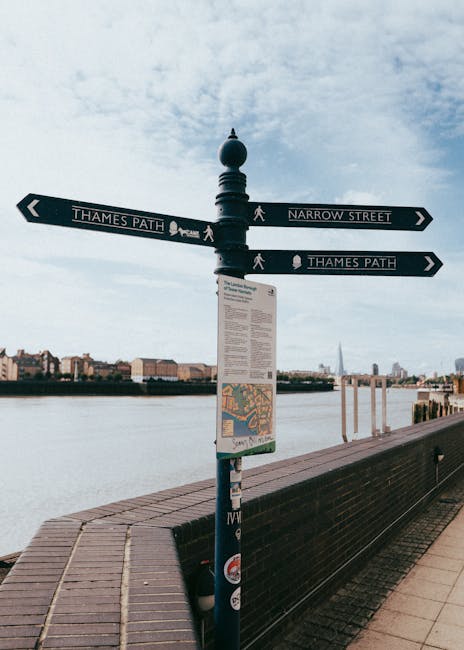
Shadwell Basin Removals for Canal Flats Access Solutions
Moving in and around Shadwell Basin can feel straightforward on a map and then oddly tricky in real life. A lift that is a little too small, a narrow stairwell, a waterside walkway with limited stopping space, or a flat that looks simple until the sofa turns up - these are the details that change everything. That is why Shadwell Basin removals for canal flats access solutions is less about brute force and more about planning, timing, and the right moving method.
In this guide, we break down how canal-side access problems are handled, what a good removal plan should include, and when a compact service such as man and van removals or a larger removal service makes sense. You will also get practical steps, common mistakes to avoid, and a realistic checklist you can actually use on moving day. No fluff, no nonsense.
Contents
- Why Shadwell Basin removals for canal flats access solutions matters
- How Shadwell Basin removals for canal flats access solutions works
- Key benefits and practical advantages
- Who this is for and when it makes sense
- Step-by-step guidance
- Expert tips for better results
- Common mistakes to avoid
- Tools, resources and recommendations
- Law, compliance, standards, or best practice
- Options, methods, or comparison table
- Case study or real-world example
- Practical checklist
- Conclusion
- Frequently asked questions
Why Shadwell Basin removals for canal flats access solutions Matters
Canal flats are attractive for all the obvious reasons: light, views, and a calmer feel than many inner-city streets. But the access side can be awkward. In Shadwell Basin, a move may involve gated entrances, shared walkways, loading restrictions, tight turns, resident-only access, or a long carry from vehicle to front door. That last bit matters more than people expect. A ten-minute carry becomes thirty minutes very quickly once you add a bed frame, a washer-dryer, and a couple of boxes that seem to have grown in weight overnight.
Good access planning keeps the move safe, efficient, and respectful to neighbours. It also reduces the chance of damage to walls, flooring, lifts, and furniture. Truth be told, many moving problems in canal developments are not caused by the item itself. They happen because the move was planned as if it were a house with a driveway. It is not. And that difference is where the right approach really pays off.
There is also a trust element. When a mover understands the access conditions around canal flats, they can advise on vehicle size, crew numbers, parking position, and whether packing or dismantling should happen before the van arrives. That kind of detail is one reason people often prefer working with a specialist removal company rather than treating the job as a standard lift-and-load. It sounds small. It is not.
How Shadwell Basin removals for canal flats access solutions Works
The best canal-flat removals start before anyone picks up a box. In practice, the process is a mix of survey, route planning, time planning, and equipment matching. You can think of it as a moving puzzle where the pieces are the building layout, the vehicle, the furniture, and the time slot available for loading.
Here is the practical version of how it usually works:
- Access is assessed - the mover checks lift size, stair width, door clearance, parking distance, and any restrictions on stopping or loading.
- Load type is reviewed - bulky items, fragile items, and awkward pieces such as wardrobes or mattresses are identified early.
- Vehicle and crew are matched - a compact moving van may be ideal for one-bedroom flats, while a larger move may need a full team and a different vehicle setup.
- Furniture is prepared - items may need wrapping, dismantling, or labelling so they move cleanly through shared areas.
- Loading is sequenced - the heaviest and most awkward items are handled first, with fragile pieces protected in transit.
- Unloading is coordinated - the arrival point is checked in advance so the team can move items in without blocking neighbours or causing avoidable delay.
That is the simple version. The real skill sits in the judgement calls. For example, is the lift just usable for a wardrobe if it is angled carefully, or would dismantling save time and reduce risk? Is it better to use a smaller van with more trips or one larger load with a longer access walk? Those decisions matter. They really do.
If you need extra handling for beds, wardrobes, or delicate pieces, pairing the move with packing and unpacking services can make the whole thing calmer. Less stress, less chaos, fewer "where did we put the kettle?" moments.
Key Benefits and Practical Advantages
The biggest benefit of a good access solution is simple: fewer surprises. But there are several practical wins worth calling out.
- Less physical strain - fewer long carries and fewer awkward manoeuvres reduce the risk of injury and damage.
- Faster turnarounds - when the route is planned well, loading and unloading are smoother.
- Better protection for furniture - narrow corridors and tight corners are where scuffs and knocks happen.
- Less disruption to residents - well-timed arrivals and sensible parking reduce friction with neighbours.
- More accurate pricing - the more clearly access is understood, the less likely the job is to overrun unexpectedly.
- Better handling of fragile items - glass tables, mirrors, and electronics benefit from controlled movement.
There is also a quiet emotional benefit. A move feels less chaotic when you know the access challenge has already been thought through. You are not standing on the pavement at 8:15 in the morning wondering how a sofa is going to fit through a communal entrance. That kind of certainty matters more than people admit.
Expert summary: For canal flats, the best removals plan is usually the one that reduces walking distance, avoids last-minute parking problems, and matches the vehicle size to the building access rather than to the total volume alone.
Who This Is For and When It Makes Sense
This kind of move is not just for large households. In fact, canal-flat access solutions are often most useful for smaller, more urban moves where the access conditions are the real challenge.
It tends to make sense for:
- tenants moving in or out of waterside apartments
- first-time buyers settling into a compact flat
- owners relocating furniture into a building with lift restrictions
- landlords arranging end-of-tenancy clearances
- students or professionals with a mix of boxes and a few bulky items
- small office teams moving equipment into mixed-use canal developments
Sometimes the move is obvious from the start. Other times, a customer thinks they only need a simple van service and then realises there is a long internal corridor, no direct parking, and a shared entrance that needs protecting. It happens all the time. That is where a flexible option such as man with van or a more complete removals package can save a lot of effort.
If your building has limited access but only a small load, a lighter service can be sensible. If you are moving from a furnished flat with awkward pieces, a broader support plan is usually the better call. To be fair, the wrong-size service is one of the most common mistakes people make.
Step-by-Step Guidance
If you want a smoother move, use a proper sequence. Don't just book a van and hope for the best. Here is a practical way to prepare.
1. Measure the access before moving day
Check the lift dimensions, stair width, entrance height, and the distance from where the vehicle can legally stop to the property door. If the sofa is larger than the corridor bend, that is something you want to know before the day arrives, not after.
2. Identify the problem items
List the bulky or fragile pieces first: wardrobes, bed bases, mirrors, desks, white goods, plant pots, and anything awkwardly shaped. These items drive the method, not the boxes of books. Books are sneaky, by the way. Small box, massive regret.
3. Decide whether to dismantle
Dismantling often saves time and reduces risk in canal flats. Flat-pack furniture, large beds, and some wardrobes can usually be broken down and reassembled more safely than dragged through tight communal areas.
4. Confirm parking and arrival timing
In waterside developments, timing can matter as much as distance. A van parked a little too far away can add repeated carrying, which makes the whole day slower. Arriving at a sensible time also helps avoid peak foot traffic in shared spaces.
5. Protect the route
Floor runners, blankets, and corner protection can prevent scuffs. If there is a communal lift or shared hallway, it is simply good manners as well as good practice. Neighbours remember a careful move. They also remember the opposite.
6. Load in the right order
Start with heavier items, then medium pieces, then protective padding, then smaller boxes that can fill gaps. Good loading stops things sliding around and keeps the van balanced.
7. Keep a final check box handy
Documents, keys, chargers, medication, and a kettle are worth keeping separate. That first hour in a new flat feels much better when you know where the essentials are.
Expert Tips for Better Results
There are a few things experienced movers watch for straight away. Not glamorous things. Useful things.
- Use the smallest vehicle that still fits the job if the building access is tight. Bigger is not always better near canal properties.
- Disassemble before the crew arrives where possible. It cuts pressure at the doorway and speeds up loading.
- Label items by room so unloading stays organised, especially if furniture and boxes arrive together.
- Protect lift interiors and corridor corners if building rules allow it. A tiny mark on a wall can become a surprisingly big issue.
- Keep a buffer in your schedule because canal-flat access rarely runs like a suburban driveway move. There is always one extra thing.
- Tell your mover about awkward access early rather than assuming they will spot it on arrival.
If you are booking a move for a business or a mixed-use property, a specialised option like commercial moves can be more suitable than a standard household move. That matters when equipment, documents, and office furniture all need careful handling in one trip.
One small but useful tip: take a photo of the entrance, lift, and any bottleneck areas during a daylight visit. It sounds almost too simple, yet it helps a planner immediately picture the job. And no, that is not cheating. That is just smart.
Common Mistakes to Avoid
Most problems on canal-flat moves come from assumptions. Here are the ones worth avoiding.
- Assuming the van can park at the door when the reality is a longer walk or restricted stopping point.
- Forgetting lift size and discovering your biggest item only fits diagonally, maybe.
- Leaving packing too late so the move starts with loose items and stressful decisions.
- Not telling the mover about access issues such as gates, codes, or resident-only entry.
- Overfilling boxes and creating heavy loads that are hard to carry safely.
- Ignoring the return journey if furniture must be brought back out for a landlord check or a reconfiguration.
Another common slip is booking a generic service and hoping it will adapt on the day. Sometimes it can. Sometimes it cannot. The difference often comes down to preparation and whether the mover asked the right questions in the first place. That is why careful service selection is so valuable.
Tools, Resources and Recommendations
You do not need fancy equipment to move well, but the right basics make a huge difference. For canal flats, these are the most useful tools and materials to have ready:
- strong boxes in a few sizes, not just one oversized type
- bubble wrap, furniture blankets, and stretch wrap
- tape, markers, and room labels
- a measuring tape for doorways and furniture dimensions
- basic tools for dismantling beds and tables
- gloves with a good grip
- floor protection for shared hallways or entrances where permitted
For people who want a cleaner experience from start to finish, it is worth looking at packing and unpacking support, especially if time is tight or the move includes delicate items. If you are moving multiple pieces of furniture and need one-off disposal or collection support, furniture pick up may also fit part of the job.
You may also want to compare vehicle options. A removal van can suit compact flat moves, while a larger removal truck hire setup may be better if you have a full flat, heavier loads, or multiple large items. Choosing the right size is not about vanity. It is about access, time, and avoiding awkward half-trips.
Law, Compliance, Standards, or Best Practice
For removals in and around London, compliance is mostly about common-sense professionalism done properly. That includes safe lifting, careful route planning, clear communication, suitable insurance, and respecting building rules. While each building may set its own procedures, good practice usually includes checking access permissions, lift bookings if required, and any loading or waiting restrictions.
Safe handling matters too. Good movers should follow sensible manual handling principles, use appropriate equipment, and avoid forcing oversized items through tight spaces. If an item needs dismantling to move safely, that is usually the right call. Forcing it is how damage happens. Or worse, injury. Nobody wants that.
It is also worth using a provider that is clear about how it handles safety, payments, and complaints. That transparency gives reassurance, especially when moving day is already busy. You can review pages such as health and safety policy, insurance and safety, payment and security, and terms and conditions to understand the standard of service and the expectations behind it.
For environmentally conscious moves, especially where packaging and old furniture are involved, a responsible approach to sorting and disposal is helpful too. If that matters to you, the page on recycling and sustainability is a sensible place to look.
Options, Methods, or Comparison Table
There is no single correct method for every canal-flat move. The right choice depends on volume, access, and how much handling the building demands. Here is a straightforward comparison.
| Option | Best for | Strengths | Watch-outs |
|---|---|---|---|
| Man and van | Small flats, lighter loads, quick local moves | Flexible, compact, good for restricted access | May need more trips if load is larger than expected |
| Full removal service | Furnished flats, bulky items, higher-value moves | More support, better for mixed access and multiple items | Usually needs more planning and a clearer brief |
| Van with packing help | Busy customers who want less hands-on work | Better organisation, safer for fragile pieces | Can cost more than transport-only support |
| Multiple-crew move | Large flats or difficult carry distances | Faster load-in and load-out, more control on site | Needs careful scheduling and access confirmation |
In simple terms: if your access is tight but your load is modest, a compact service may be enough. If your access is tight and your load is awkward, do not make the day harder than it needs to be. It is usually better to scale the support properly from the start.
Case Study or Real-World Example
Imagine a couple moving from a one-bedroom canal flat in Shadwell Basin to another property nearby. The new place is only a short drive away, but the old building has limited stopping space, a lift that cannot take the wardrobe upright, and a shared entrance that gets busy around school-run hours.
Instead of sending a large vehicle and hoping it works out, the move is planned around access first. The wardrobe is dismantled the day before. Fragile items are packed into clearly labelled boxes. The mover arrives in a smaller vehicle that can stop more easily near the entrance. The team uses blankets and wrap for the bed frame and sofa, and the lift is used only for pieces that fit safely. One member of the team manages the building route while the other handles loading. Simple, but effective.
The move finishes with less friction, fewer unnecessary lifts, and no awkward standing around trying to figure out whether a corner can be turned without scuffing the wall. That is the quiet advantage of planning for canal-flat access. You do the thinking early so the day itself feels almost boring. And boring, on moving day, is pretty lovely.
Practical Checklist
Use this checklist a few days before the move, then again on the morning itself.
- Measure the largest furniture pieces and note any awkward items.
- Check lift size, stair width, and the route from vehicle to flat.
- Confirm parking, loading, and access instructions with the building if needed.
- Decide which items should be dismantled in advance.
- Pack fragile items separately and label them clearly.
- Keep essentials in one easy-to-reach bag or box.
- Protect floors, corners, and furniture surfaces where appropriate.
- Share access details with the mover before the day.
- Allow extra time for long carries or building delays.
- Do a final walk-through to check cupboards, shelves, and behind doors.
Quick tip: if you are unsure whether your building access is genuinely straightforward, treat it as complex until proven otherwise. That one mindset shift can prevent a lot of rushing later.
Get a free quote today and see how much you can save.
Conclusion
Shadwell Basin removals for canal flats access solutions are really about reducing friction. Not just the physical kind, but the mental kind too. When access is tight, a move can feel more demanding than the inventory suggests. The right plan brings order to that chaos: the right vehicle, the right crew, the right packing approach, and a clear view of the route before anyone starts lifting.
If you take one thing from this guide, let it be this: access is not a detail to deal with later. It is the backbone of the job. Get that right and almost everything else becomes easier. And if the move still feels a bit daunting, that is normal. Most people feel that way before the first box is carried. Once the plan is in place, it settles down. Usually more than you expect.
In the end, a well-handled canal-flat move should feel calm, safe, and properly organised. That is the goal, and it is absolutely achievable.
Frequently Asked Questions
What makes canal flat removals in Shadwell Basin different from a normal house move?
The main difference is access. Canal flats may involve lifts, communal corridors, limited parking, and longer walking distances from the vehicle. The move itself may be small, but the access can be the real challenge.
Do I need a full removal company or is a man and van enough?
It depends on the load and the access. A smaller move with limited furniture may suit a compact service, while larger or more awkward moves usually benefit from fuller support. The building layout matters just as much as the item count.
How early should I measure the flat access?
As early as you can. Ideally, a few days before the move. Measure doorways, lift dimensions, and the carry distance so you are not guessing on the day. Guessing is a terrible moving strategy, honestly.
What if my sofa or wardrobe does not fit through the lift?
If it cannot fit safely, dismantling is usually the best option. If dismantling is not possible, the mover may need to use stairs or another access method, depending on building rules and safety.
Can removals near canal flats be done in one trip?
Sometimes yes, sometimes no. It depends on the vehicle size, access route, and how much furniture you have. A well-planned load makes one-trip moves more likely, but access restrictions can change the equation.
What should I tell the mover before booking?
Tell them about lift access, staircases, parking restrictions, gates, key codes, long carry distances, and any large or fragile items. The more accurate the information, the better the plan.
Is packing help worth it for a canal flat move?
Often yes, especially if you have fragile items, a tight schedule, or limited space to pack in. It keeps the move more organised and reduces last-minute stress.
How do I reduce damage in communal areas?
Use furniture protection, avoid rushing corners, and keep the route clear. Good communication with the mover helps too. Careful handling makes a noticeable difference, especially in newer apartment buildings.
What size vehicle is best for a canal flat move?
The best vehicle is the smallest one that still handles your load efficiently. In restricted access areas, a more compact van is often easier to position and unload, even if the space inside is a bit tighter.
Are there safety concerns with moving in waterside developments?
Yes, mainly around lifting, carrying on shared walkways, and avoiding damage in tight spaces. Safe handling, sensible pacing, and proper planning are important. If an item feels too awkward, it probably is.
How do I know if my move needs a long-carry setup?
If the vehicle cannot stop close to the entrance, or if the building layout means items must be carried a noticeable distance, then it is a long-carry move. Let the mover know so they can plan crew and timing properly.
Can I combine furniture collection and removals in one booking?
In some cases, yes. If you are clearing old furniture while moving in new items, it can make sense to coordinate the services. That way you avoid separate trips and keep the day more manageable.
What should I do if the building has specific access rules?
Follow them carefully and share them with your mover in advance. This may include loading bay rules, lift booking times, or resident access requirements. Building rules are tedious, yes, but they are there for a reason.
Where can I check service details, safety, and pricing before booking?
Useful starting points include pricing and quotes, about us, and the service pages for the type of move you need. It helps you compare the options properly before making a decision.