Bulky waste removal in Wapping: who to call first
If you have an old sofa blocking the hallway, a broken wardrobe in the spare room, or a mattress that has somehow become part of the furniture, you are probably asking the same thing: who do I call first? Bulky waste removal in Wapping sounds simple enough, but the right first call can save you time, stress, and a fair bit of back-and-forth. It also helps you avoid the common trap of paying for the wrong type of service, or trying to shift something heavy yourself because it "doesn't look that bad". It usually does, once you get it to the stairs.
This guide breaks down what bulky waste removal actually involves, how the process works in Wapping, which option suits different situations, and what to check before anyone turns up at your door. You will also find practical steps, a comparison table, a checklist, and the kind of real-world guidance that makes the whole job feel a lot less messy.
Table of Contents
- Why bulky waste removal in Wapping matters
- How bulky waste removal works
- Key benefits and practical advantages
- Who this is for and when it makes sense
- Step-by-step guidance
- Expert tips for better results
- Common mistakes to avoid
- Tools, resources and recommendations
- Law, compliance, standards, and best practice
- Options, methods, and comparison table
- Case study or real-world example
- Practical checklist
- Conclusion
- Frequently asked questions
Why bulky waste removal in Wapping: who to call first Matters
The short answer is that the first call should match the job in front of you. In practice, that means thinking about size, weight, urgency, access, and disposal route before you do anything else. A single broken chair is one thing. A three-seater sofa, a fridge freezer, or a heavy filing cabinet in a fifth-floor flat is another story entirely.
Wapping has its own quirks too. Tight stairwells, compact flats, loading restrictions, permit considerations, and awkward parking can all affect how bulky waste is removed. That is why the "first call" matters so much. The wrong choice can mean a wasted collection, extra charges, or a back injury you really did not need on a Tuesday morning.
There is also a practical side that people overlook. Bulky items often appear during life changes: moving house, downsizing, clearing out a rented flat, replacing furniture, or getting an office ready for a refresh. In those moments, the removal of one bulky item often sits inside a bigger chain of tasks. Sorting the waste properly at the start keeps the rest of the day under control.
For many households, the smartest first call is a local removal service that can handle lifting, transport, and responsible disposal in one go. If the item is part of a wider move, it may be worth looking at removal services in Wapping or even a more specific option like furniture removals in Wapping. That depends on whether you are getting rid of just one thing or clearing a roomful of it.
How bulky waste removal in Wapping: who to call first Works
Bulky waste removal usually starts with a simple assessment. What are you moving? How much space does it take up? Can it be carried safely? Does it need dismantling? Is it going to be reused, recycled, or disposed of? These questions decide the method more than people realise.
In a straightforward case, you contact a removal provider, describe the items, and share a few details about access. Good providers will ask about stairs, lifts, parking, item dimensions, and whether any parts need disassembly. That is not fussiness. It is the difference between an efficient job and everyone standing in the hallway wondering how the sofa got wedged there in the first place.
From there, the job typically follows this pattern:
- You identify the item or items to be removed.
- You decide whether they are reusable, recyclable, or true waste.
- You contact the most suitable service first.
- You give clear information about access, timings, and urgency.
- The team arrives with the right vehicle and equipment.
- The items are lifted, loaded, and transported responsibly.
When bulky waste is tied to a home move or declutter, you may also need packaging support, storage, or extra handling for items like mattresses, sofas, or freezers. That is where it helps to read practical guides such as professional advice for bed and mattress moving and long-term sofa storage insights. They are not about waste disposal alone, but they do help you decide what to keep, move, store, or remove.
Useful rule of thumb: if the item is bulky enough that you would need a second person, a dolly, or a very careful plan, it is probably not a casual DIY job.
Key Benefits and Practical Advantages
The biggest benefit of professional bulky waste removal is simple: you do not have to wrestle heavy items through narrow spaces. But there is more to it than that.
- Safer handling: trained movers know how to handle weight, awkward shapes, and fragile structural points.
- Less disruption: the job gets done faster, with fewer trips and less mess.
- Better access planning: local teams understand how to work around stairwells, parking, and tight entry points.
- Cleaner disposal: responsible providers sort items for reuse, recycling, or proper disposal where possible.
- More flexibility: you can often combine bulky waste removal with removals, storage, or packing support.
There is also a mental benefit, which sounds soft until you actually need it. A room clears faster when the bulky pieces are gone. Suddenly the flat feels lighter, the dust is visible, and you can make decisions instead of stepping around clutter. A lot of people find that once the big items are removed, the rest of the clean-up becomes strangely manageable. Funny how that works.
If you are trying to reduce the pressure around a wider move, it can be helpful to pair bulky waste removal with decluttering advice like decluttering your way to a stress-free move or practical packing help from transform packing stress into moving success. The job becomes a process, not a panic.
Who This Is For and When It Makes Sense
Bulky waste removal is not just for people in a full house clearance. It makes sense for all sorts of everyday situations.
- Homeowners replacing old furniture or clearing out garages, lofts, or spare rooms.
- Renters moving out and needing to leave a property tidy and empty.
- Landlords and letting agents dealing with abandoned furniture or end-of-tenancy clearances.
- Students who need to remove unwanted furniture or bulky items quickly, especially between terms.
- Businesses clearing office desks, chairs, filing cabinets, or surplus equipment.
- Anyone with heavy or awkward items that cannot be left for ordinary household waste collection.
It also makes sense when the item is technically movable, but not by you without risking damage. A mattress, a fridge, a wardrobe, or a broken sofa can become a problem fast if you have stairs, corners, or no lift. If the item is large but still usable, you may want to think about whether it should go into storage first. For that sort of decision, storage in Wapping can be a sensible bridge rather than a rushed throwaway choice.
And yes, some people do try the "I can probably manage this on my own" approach. To be fair, that confidence usually lasts until the item reaches the landing.
Step-by-Step Guidance
If you want the cleanest route through the process, use this order. It keeps things calm and avoids the most common mistakes.
1. Identify exactly what needs removing
Write down each item. Be specific. "Old furniture" is not enough. "Two-seater sofa, double mattress, broken chest of drawers, and one dismantled desk" is much better.
2. Check whether anything can be reused or stored
Some bulky items are not waste at all. If a sofa is still in good condition, or a bed frame may be needed later, consider storage or relocation instead. A useful starting point is removals in Wapping if the item is part of a move rather than a clear-out.
3. Measure access, not just the item
The width of the item matters, but so do stair turns, doorway height, lift size, and parking distance. In a London area like Wapping, access is often the real issue, not the item itself.
4. Decide on urgency
If the item is blocking a room, preventing a move, or making a property unlettable, you may need a same-day or next-day solution. In that case, same-day removals in Wapping may be the most practical first call.
5. Ask for a clear quote and what it includes
Check whether the service covers labour, vehicle use, dismantling, loading, and disposal. Clarity here avoids awkward surprises later. Nobody enjoys the phrase "that wasn't included".
6. Prepare the item before the team arrives
Empty drawers, remove loose contents, disconnect appliances safely, and clear the path. If you need help with packing or organisation, packing and boxes in Wapping can support the prep side of the job.
7. Confirm what happens after collection
Ask whether items will be reused, recycled, or disposed of responsibly. Good practice matters here, and it is fair to expect a clear answer.
Expert Tips for Better Results
Here is the bit that saves time in real life. The details do matter, even if they seem small at first.
- Photograph the items before booking. A few clear images help with accurate pricing and vehicle planning.
- Be honest about access. A narrow stair or awkward turn changes everything.
- Dismantle only if it actually helps. Some items are safer moved intact; others are much easier in parts.
- Keep screws and fittings in labelled bags. Even if you are throwing the item away, loose fittings become a nuisance quickly.
- Group items by room. It speeds up collection and makes the space easier to tidy afterwards.
- Do not leave fragile items on top of bulky waste. A wobble, and the whole thing gets awkward fast.
One small but valuable tip: if you know an item is particularly heavy or oddly balanced, mention that before booking. Heavy lifting is not only about brute strength. It is also about angle, grip, and path. There is a reason trained movers think before they lift. That sounds obvious, but it really is the difference between "fine" and "ouch".
For heavier household pieces, a guide like innovative methods for solo heavy lifting can help you understand why some items should not be tackled alone, while kinetic lifting and safe technique gives a useful plain-English view of movement and load handling.
Common Mistakes to Avoid
Most bulky waste headaches come from a handful of predictable mistakes. Once you know them, you can avoid them without much drama.
- Calling the wrong type of service first. If the item needs lifting, vehicle transport, and disposal, a general handyman service may not be enough.
- Underestimating access problems. A ground-floor photo can hide a very awkward staircase.
- Not checking item condition. A damaged sofa may be classed differently from a reusable one.
- Waiting until the last minute. That is how rushed decisions happen.
- Trying to drag bulky items alone. Injuries and floor damage are both expensive in their own ways.
- Forgetting about disassembly. A wardrobe may need to come apart before it fits through the exit.
Another common one: people forget to think about the end point. They focus on getting the item out of the room, not on where it is actually going. If the item needs off-site storage instead of immediate disposal, that decision should be made early. A sofa wrapped badly and left in the rain is not a clever compromise, despite what a rushed Saturday can make you believe.
Tools, Resources and Recommendations
You do not need a workshop full of equipment to handle bulky waste properly, but a few practical tools make the job cleaner and safer.
| Tool or resource | Why it helps | Best use case |
|---|---|---|
| Measuring tape | Confirms whether an item will fit through doors and hallways | Before booking or dismantling |
| Protective gloves | Improves grip and reduces minor scrapes | Handling rough or dusty items |
| Furniture sliders or a dolly | Makes repositioning safer on hard floors | Short moves inside the property |
| Zip bags and labels | Keeps fittings and screws organised | Dismantled furniture |
| Phone camera | Provides accurate visuals for quotes and planning | Every bulky item, honestly |
On the service side, it is smart to look at a provider's wider removals capability, not just the one item you need shifted. If a bulky piece is part of a larger move, pages like man with a van in Wapping, man and van in Wapping, and removal van options in Wapping show how a broader transport service can support the job. That is useful when you need more than a single lift-and-load.
For business clear-outs, a more structured approach may be better. office removals in Wapping and removal companies in Wapping are worth considering if you are dealing with desks, chairs, archives, or mixed furniture.
Law, Compliance, Standards, or Best Practice
Bulky waste removal touches on environmental responsibility, property access, health and safety, and in some cases tenancy or business obligations. You do not need to become a compliance expert to deal with it well, but it does help to understand the basics.
In the UK, waste should be handled responsibly, and it is normal to expect items to be sorted for reuse, recycling, or lawful disposal where appropriate. If a provider offers collection, transport, and disposal, it is sensible to ask how they approach each stage. That is not being difficult. It is being careful.
Best practice also includes safe lifting, clear communication, and proper insurance cover. If someone is carrying a heavy sofa down stairs, or moving a fridge through a tight hallway, there should be a clear process for doing that safely. This is why it is smart to look for providers who are transparent about insurance and safety and who have a visible health and safety policy.
If you care about environmental outcomes, ask how the provider approaches reuse and recycling. A good starting point is their stated approach to recycling and sustainability. Not every bulky item can be reused, of course, but the responsible route should always be part of the conversation.
For your own peace of mind, it also helps to read the provider's terms and conditions and pricing and quotes guidance before booking. Little things. But they stop little problems becoming bigger ones.
Options, Methods, and Comparison Table
There is no single correct way to deal with bulky waste in Wapping. The best option depends on the item, your timeline, and whether the item is being discarded, reused, stored, or moved elsewhere.
| Option | Best for | Pros | Watch out for |
|---|---|---|---|
| DIY removal | Very small, manageable items | Can be cheap if you already have transport and help | Risk of injury, vehicle issues, and disposal mistakes |
| General bulky item collection | Single items or straightforward clear-outs | Simple, fast, usually minimal planning | May not suit awkward access or heavy items |
| Removal service with loading support | Furniture, appliances, and mixed bulky waste | Safer handling, transport included, more flexibility | Need to give accurate item and access details |
| Storage first, remove later | Items you may want to keep | Buys time, avoids rushed decisions | Not suitable if the item is genuinely waste |
| Same-day removal | Urgent moves, last-minute clear-outs | Fast response, useful under pressure | Usually needs clear access and prompt booking |
If you are comparing services, think in terms of outcome rather than just price. The cheapest option is not always the one that saves the most effort. Nor the one that leaves your walls intact.
Case Study or Real-World Example
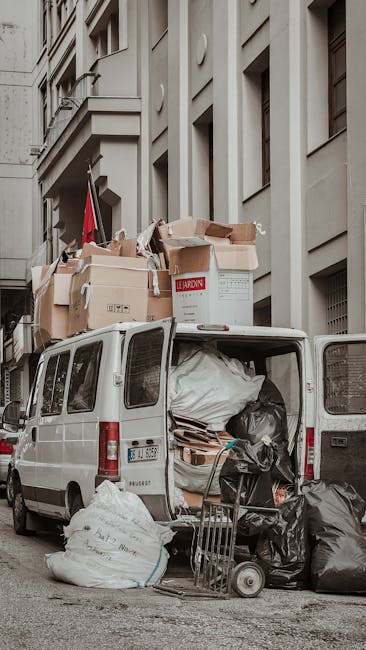
A typical Wapping scenario goes like this. Someone is moving out of a flat and discovers a large sofa, a broken bed frame, and a mattress that will not be reused. The hallway is narrow, the stairwell is tight, and there is no easy parking directly outside. They need the items gone before the end of the week.
In that situation, the sensible first call is not a general "can you take this somehow?" message. It is a removal provider that can assess the items, explain the likely approach, and offer a practical time slot. If the sofa is still usable, the provider may suggest moving it into storage rather than treating it as waste straight away. If not, they can manage the lift, loading, and transport in one visit.
What usually helps most in cases like this is preparation. The resident measures the sofa, photographs the stairwell, clears the route, and confirms whether parking is available nearby. That sounds basic, but it makes a real difference. The job becomes smooth instead of scrappy.
Practical takeaway: when bulky waste is part of a move or clearance, the best first call is usually the service that can handle lifting, transport, access planning, and disposal together. One conversation, fewer loose ends.
We have seen this pattern repeatedly: the more information you give at the start, the fewer surprises you get on collection day. Simple, but true.
Practical Checklist
Use this before you book anything.
- Identify every bulky item clearly.
- Check whether any item should be stored, reused, or sold instead of removed.
- Measure the item and the access route.
- Note stairs, lifts, parking, and any tight turns.
- Photograph the items from a couple of angles.
- Remove loose contents, cushions, and detachable parts.
- Ask what the quote includes.
- Confirm timing, arrival window, and any same-day needs.
- Check insurance and safety details.
- Ask how recyclable or reusable items are handled.
- Make sure the route is clear on the day.
- Keep keys, permits, or access instructions ready if needed.
If you are dealing with a bigger home reset, this checklist pairs well with preparing to move and cleaning your house like a pro and tips and tricks for a serene house move journey. Both are useful if the bulky waste is just one part of the wider job.
Conclusion
So, who should you call first for bulky waste removal in Wapping? Start with the service that matches the item, the access, and the urgency. If the piece is heavy, awkward, or part of a larger move, a local removals provider is often the most practical first call. If the item may still have life left in it, think about storage or reuse before disposal. And if time is tight, a same-day option may be the calmest route of all.
What matters most is making the decision before the item becomes a problem that you keep stepping around. Once you sort the first call, everything else tends to fall into place more easily. Not perfectly, maybe. But well enough to breathe again.
Get a free quote today and see how much you can save.
Frequently Asked Questions
Who should I call first for bulky waste removal in Wapping?
Call the service best matched to the item and the access. For heavy furniture, mixed bulky items, or anything that needs lifting and transport, a local removals provider is usually the best first call.
Can I put bulky waste out on the street in Wapping?
Usually, no. Leaving bulky items outside without arranging the correct collection can cause problems. It is better to arrange a proper pickup or removal service and confirm the rules that apply to your property.
Is bulky waste removal the same as furniture removals?
Not always. Furniture removals focus on moving items safely from one place to another, while bulky waste removal is about clearing items away for disposal, recycling, or reuse. Sometimes the two overlap.
How do I know if my item should be removed or stored?
If the item is still in good condition and you may need it later, storage can make more sense than disposal. If it is damaged, unsafe, or unwanted with no future use, removal is usually the right choice.
What details should I give when I request a quote?
Share the item type, approximate size, whether it can be dismantled, access details, floor level, parking situation, and how urgently you need it gone. Photos help too.
Can a removal team handle a mattress or sofa on short notice?
Often, yes, if the service offers urgent collection and the access is clear. For a quick turnaround, same-day or next-day removal is worth asking about early.
What happens to bulky waste after collection?
That depends on the service and the item. Some items may be reused, some recycled, and some disposed of responsibly. A trustworthy provider should be able to explain the process in plain language.
Do I need to dismantle furniture before collection?
Not always. Some items are easier and safer to remove whole, while others need partial dismantling to fit through doors or stairwells. If you are unsure, ask before you start taking things apart.
Is it worth using a man and van service for bulky waste?
Yes, if the service can provide the right lifting support and vehicle space. A man and van setup can work very well for single items or smaller clear-outs, especially in a busy area like Wapping.
How can I avoid damage to walls and floors during removal?
Clear the route, remove loose objects, and use a team that understands safe lifting and careful manoeuvring. Tight corners and stairwells are where most damage happens, so planning matters.
What if I have several items, not just one?
Tell the provider exactly what is included. Multiple items may require a larger vehicle, extra labour, or a longer slot. It is better to mention everything at the start than discover the difference on the day.
Are there special considerations for office bulky waste?
Yes. Office items often include desks, chairs, monitors, filing cabinets, and confidential materials. A service with office removals experience is usually the safest option because it can handle mixed loads more efficiently.
For a more tailored local service overview, you may also want to explore the full services overview and the company's about us page to understand how they work and what support they offer.